
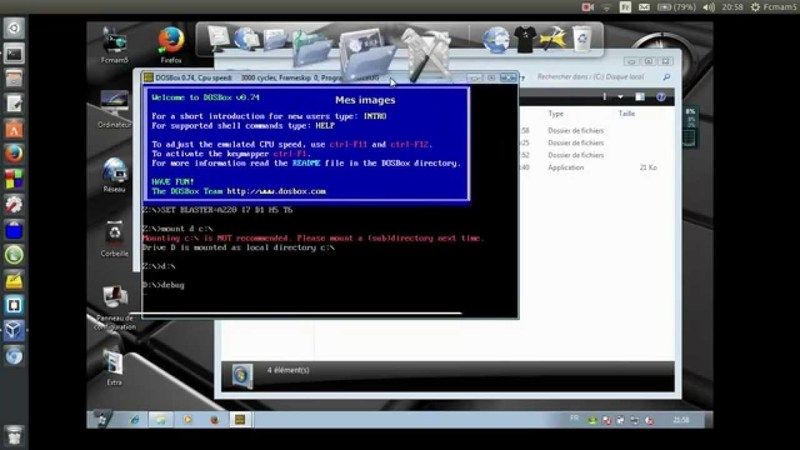
The IT geek world is unequivocally undivided since more than a decade on the superiority of the Command Line Interface over the GUI!
For the uninitiated, Command Line is the black screen, that comes up when you go to 'Start Menu' > 'Run' and Type 'cmd', which you often use to do a 'ping' or 'ipconfig'. GUI expands to Graphical User Interface, a technical name to the point-and-click interface we all use in computers today.The geekdom has had debates on why we haven't evolved from a purely textual entry mode into something better, a debate which always concludes accepting that Command line is a superior form of human-computer interaction. With introduction of Siri, Google Now and Cortana - while we have added voice commands also to the debate; its uses are currently limited to searching, giving pre-ordained commands like calling someone in your contacts list. For performing complex tasks such as say formatting your hard disk, checking whether a server is up or crashed, or starting a new program - GUI or CLI (another acronym for Command Line Interface) are the only choice or at least far more convenient options.
More importantly, for programming the computer for more complex tasks, we still rely on 'textual code' which issues 'commands' to the computer similar to those used in CLI.
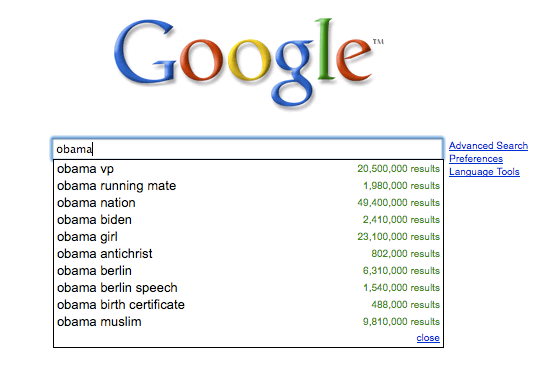
I today want to however point towards a fast emerging offspring of both CLI and GUI - the CLGI. Have you ever started searching for something in Google only to have it 'auto-complete' it for you?
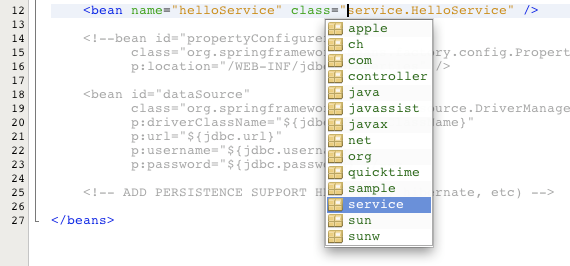
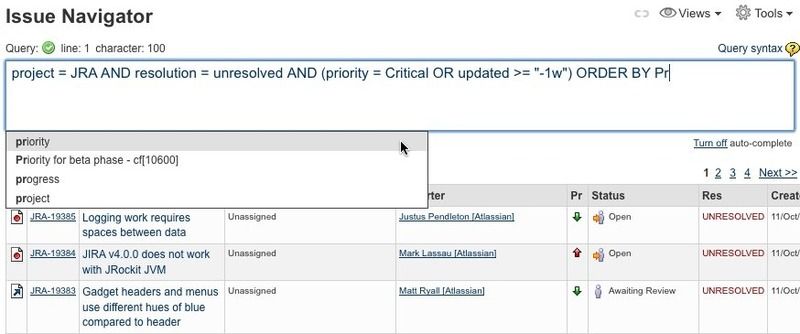
If you are a programmer and have used an IDE, you would have been greeted by another type of auto-complete where the IDE suggests functions, objects, variable names defined in the code earlier.
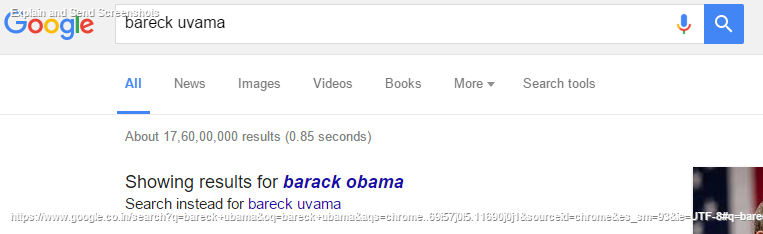
Auto-complete is possibly only one of the first manifestations of this intermingling of the two UI's. There can be other forms - for example the spelling correction which Google provides currently while displaying search results could be 'on-the-fly'.
Google Now and Siri do spelling checking, but this is still little further from context based spell check like MS Word provides.
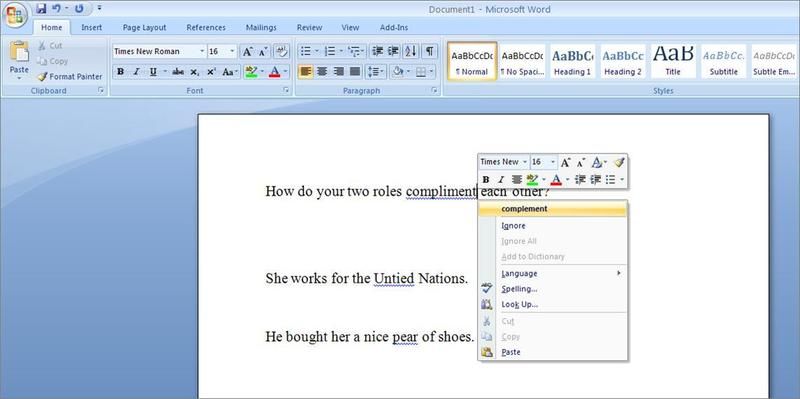
All the above are diverse examples, some from the end-user world, some from the hard core programming world. But one common thread in all of them is that a textual input is being complimented with a graphical intervention (either in form of correction, suggestion or auto-complete) to ensure that correct 'information' is provided to computing world.
Those of you who have been thinking of Artificial Intelligence will appreciate the concept of computing devices as another form of intelligence [ref]. If we accept this premise, whether or not we believe in singularity [further reference], we must accept that human intelligence and computational intelligence are different in one aspect - the ability of the human brain to think in an unstructured manner, while the inability of computational brain to only process structured inputs (though at a performance scale much higher than the human brain).
With CLGI, IMHO we are at the beginning of a new generation of UI systems which utilize the combination of features such as 'autocomplete' with command line style 'text entry' for aiding interactions between the 'unstructured' human brain and 'structured' computer brain (Issac Asimov would call it positronic and gravitronic brains [ref]).
Image Credits (in order of images used above)
- https://www.youtube.com/watch?v=MAYo0IgOxs4
- https://raam.org/2008/google-autocomplete-for-search/
- http://www.javacorrection.com/2015/08/spring-interview-questions.html
- http://blogs.atlassian.com/2009/10/jql/
- Self created
- http://blogs.msdn.com/b/correcteurorthographiqueoffice/archive/2006/06/05/contextual-spelling-in-the-2007-microsoft-office-system.aspx
Comments
Post a Comment